
ALLERGIES
High-Quality Care for Allergies
Allergies occur when your immune system responses or reacts to foreign substances, such as bee venom, pet dander, pollen, or even food that typically does not induce a reaction in other individuals. Your immune response to the foreign substance can produce inflammation or redness in your sinuses, airways, digestive system, and skin.
The degree of reaction vary from one individual to the next and also varies based on the level of exposure.
Please dial 911 if you are experiencing a life-threatening allergic reaction.
Symptoms Based on other Type of Allergic Reaction:
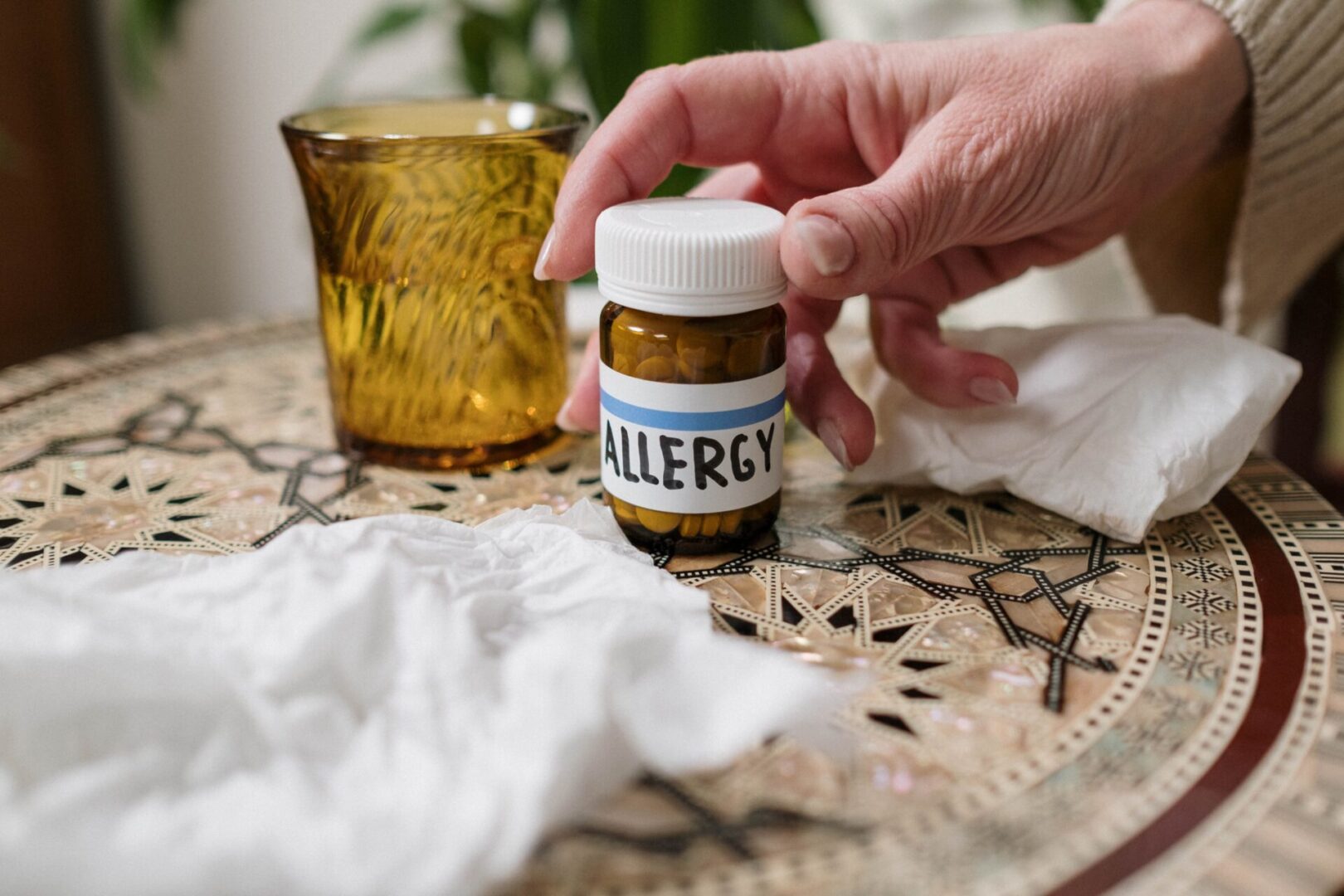
Hay Fever (Allergic Rhinitis)
- Itchy and Watery Eyes
- Itchy Nose
- Runny Nose
- Sneezing
Food Allergy
- Rashes
- Hives (A Rash With Raised Red Patches)
- Stomach Cramps and Vomiting
- Tingling Sensation in Mouth
An allergic reaction to a drug can cause hive, itchy skin, facial swelling, wheezing, and, in severe cases, an anaphylactic reaction.
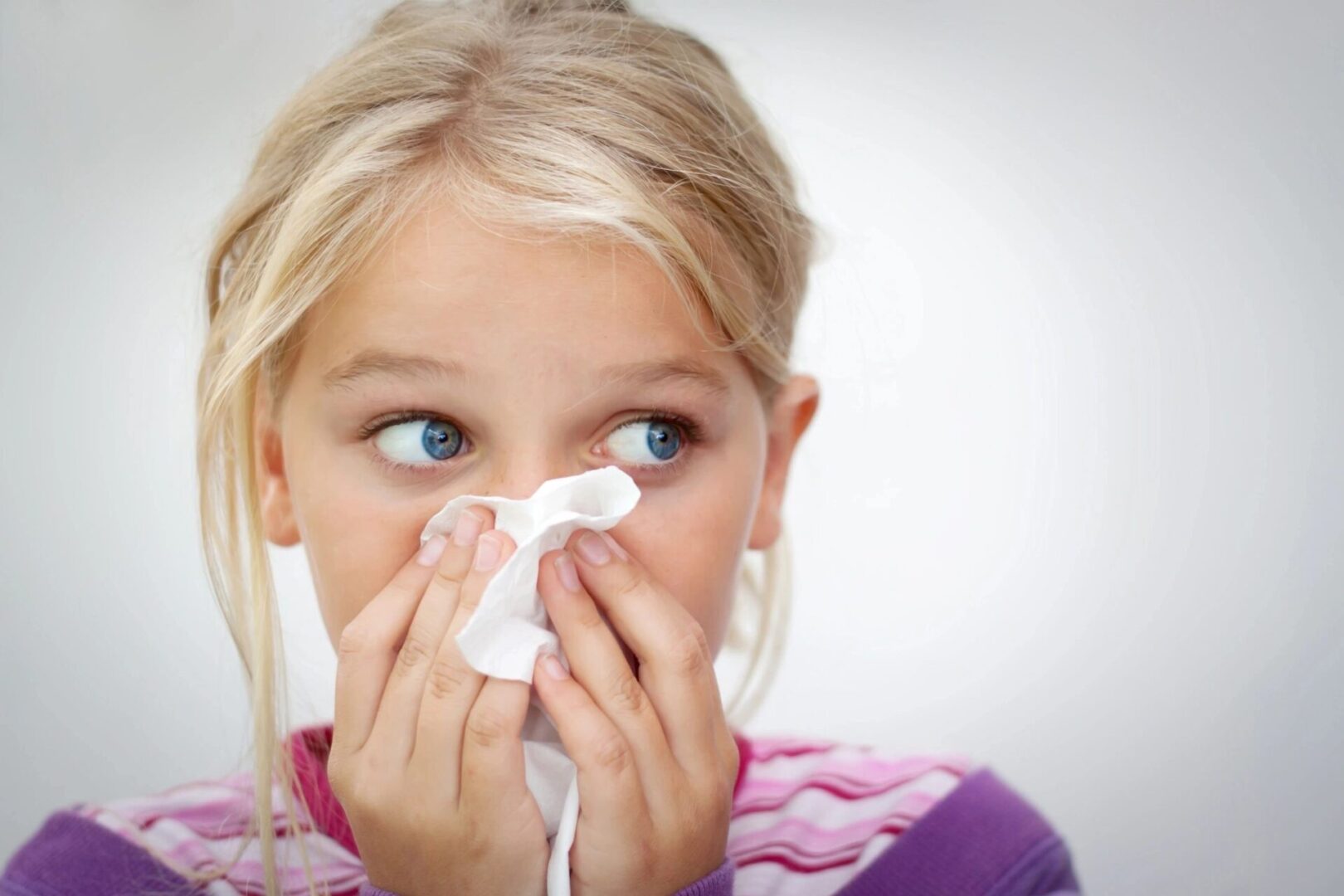
7 Broad Categories of Allergy Tests or Procedures
Learn About Allergy Tests and the Procedures Involved With Each
Allergy Skin Testing
This is used to evaluate for suspected environmental or seasonal allergies, food allergy, stinging insect allergy, and certain drug/medication allergies. During skin testing the suspected allergen is placed on the skin and the test results are read after 15 minutes. An allergen is a substance that can cause an allergic reaction. There are 2 methods for skin testing: prick skin testing and intradermal skin testing.
Prick skin testing: Individual solutions containing the suspected allergens are placed on the skin using a prick device. The test results are available 15 minutes later.
Intradermal skin testing: Individual solutions containing the suspected allergens are placed just underneath the surface of the skin using a small needle. The test results are available 15 minutes later.
Our allergist will determine which specific type of skin test is required.
All test results are interpreted by our allergist.
How to Prepare for Allergy Skin Testing:
Avoid all antihistamines and sleep aids that contain antihistamines for 5 days prior to your appointment. The reason for this is that antihistamines will block positive skin test results, thereby making the results unreliable.
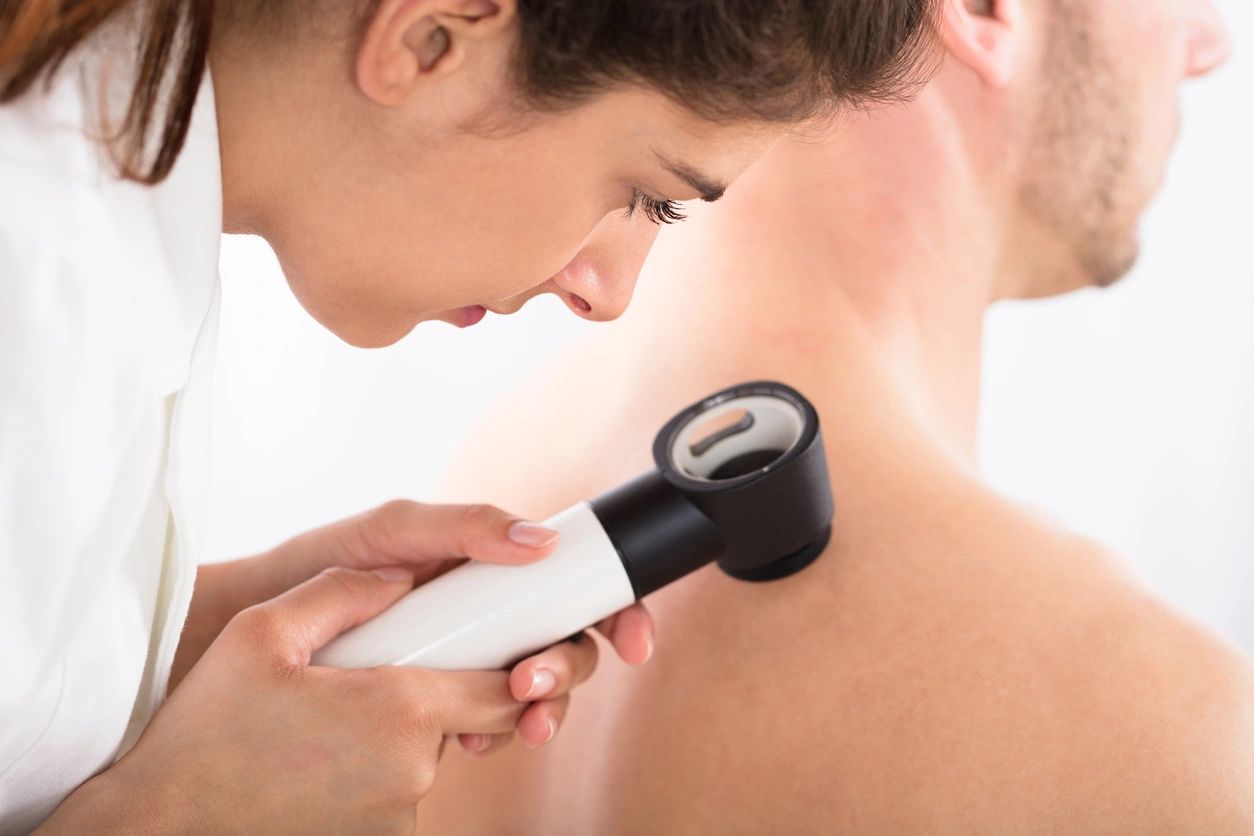
Other Specialized Tests Performed in Our Clinic Are as Follows:
Learn About Allergy Tests and the Procedures Involved With Each
Food Challenges
This is performed in selected individuals to confirm a food allergy or to determine if they may tolerate food that they are currently avoiding. Incremental doses of the food are given to the patient starting with a very small quantity. Each dose is followed by a period of observation and assessment prior to receiving the next dose.
After receiving the final dose, the patient undergoes an additional observation period and final assessment. Due to the risk of developing an adverse reaction, all food challenges are performed under physician supervision.
Drug/Medication Challenge
This is performed in selected individuals to confirm a drug allergy or to determine if they may tolerate a drug that they are currently avoiding. Incremental doses of the drug are given to the patient starting with a very small dose. Each dose is followed by a period of observation and assessment prior to receiving the next dose.
After receiving the final dose, the patient undergoes an additional observation period and final assessment. Due to the risk of developing an adverse reaction, all drug challenges are performed under physician supervision.
WE OFFER ADDITIONAL ON-SITE SERVICES SUCH AS LABS & TESTING SERVICES, ON-SITE DISPENSARY, WEIGHT LOSS MANAGEMENT, SCHOOL & SPORT PHYSICALS, ALL ENHANCED WITH OUR TELEMEDICINE SERVICE.
FEATURED SERVICES OFFERED

WEIGHT LOSS PROGRAM
SCHOOL & SPORT PHYSICALS
STD TESTING & VACCINATIONS

WOMEN'S HEALTH

TRAVEL HEALTH

MEN'S HEALTH
LABS & TESTING

FAMILY WELLNESS PROGRAMS
VACCINATION

IV HYDRATION THERAPY

STRAINS & SPRAINS